


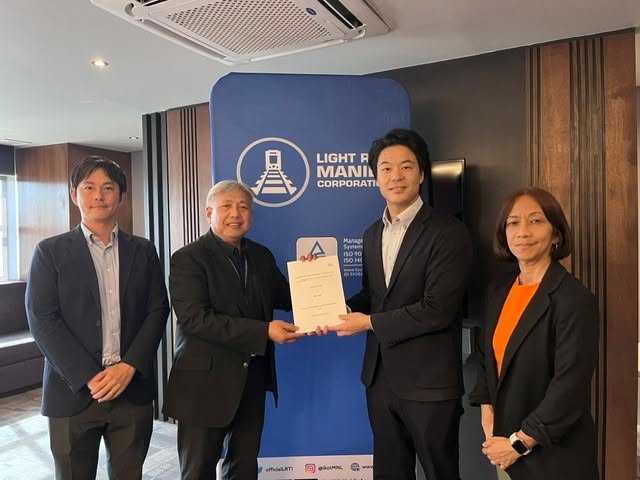
The Japan International Cooperation Agency (JICA) has successfully concluded its comprehensive technical assistance program aimed at driving large-scale energy conservation initiatives for the Light Rail Transit Line 1 (LRT-1). Launched in July 2025, the milestone partnership with the Light Rail Manila Corporation (LRMC) marks a significant step forward in upgrading the line’s operational efficiency, slashing electricity costs, and reducing greenhouse gas emissions across Metro Manila’s transit network.
Over the past year, Japanese railway and energy experts worked closely with LRMC engineers to conduct exhaustive energy audits and operational simulations. The resulting analyses underscore a critical insight: achieving maximum energy efficiency requires a synchronized approach that pairs hard technical upgrades with daily operational adjustments.
A primary deliverable of this successful collaboration is the newly established LRT-1 Energy Conservation Roadmap (2026–2035). This strategic, 10-year framework provides LRMC with a phased blueprint to integrate cutting-edge energy-saving technologies and sustainable practices into its long-term operations. Key areas highlighted in the roadmap include the optimization of regenerative braking systems—which capture and reuse energy when trains slow down—and the deployment of smart power-monitoring infrastructure.
“Modernizing our urban transport systems isn’t just about moving people faster; it’s about moving them smarter and with a smaller environmental footprint,” said a JICA representative. “By combining Japan’s technical expertise in energy-efficient rail operations with LRMC’s local operational strengths, we have created a viable path toward a greener, more resilient transit system for the Philippines.”
This initiative reinforces the enduring commitment of both JICA and the Philippine government toward robust climate action and the UN Sustainable Development Goals (SDGs), particularly in building sustainable cities and communities. As LRT-1 transitions into the implementation phase of the 2026–2035 roadmap, the project stands as a model for how international technical cooperation can deliver tangible economic and environmental benefits to urban commuter rail systems.

