


Toyota Aisin Philippines, Inc. (TAP), the transmission manufacturing and export arm of Toyota Motor Philippines (TMP), has cumulatively exported manual transmissions worth more than USD3.8 billion to global markets since 1992, reinforcing the Philippines’ role as a key hub in global automotive value chains.
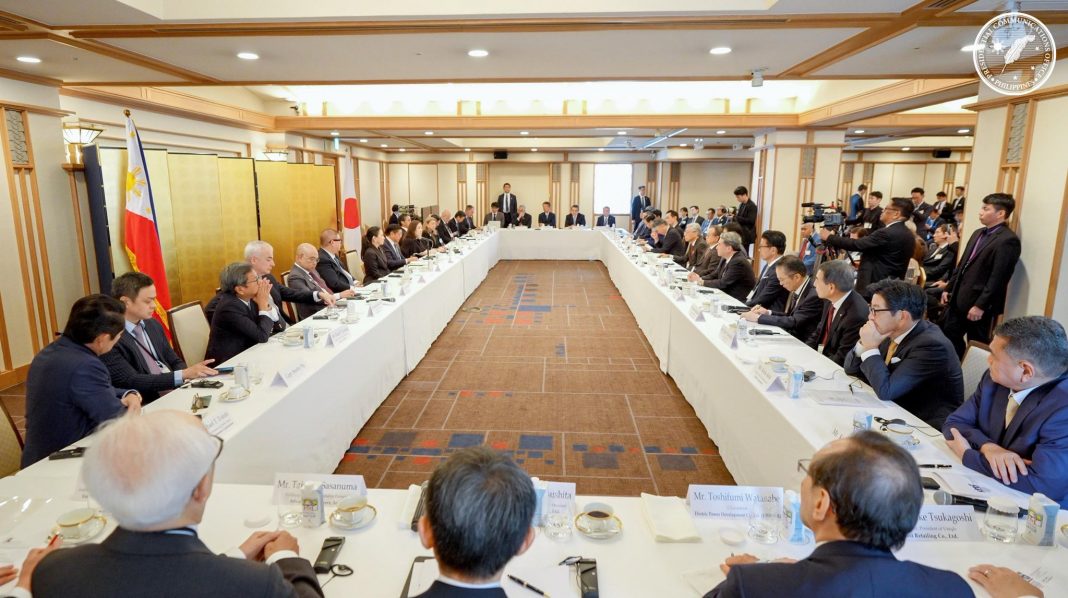
Toyota Motor Corp. (TMC) reported its export performance from 1992 to March 2026 as it reaffirmed its commitment to strengthening bilateral economic ties between Japan and the Philippines during the recent high-level Tokyo Business Roundtable attended by President Ferdinand R. Marcos Jr. and top Japanese business executives.
The meeting highlighted how industrial collaboration can help build a more integrated, resilient, and future-ready economic corridor between the two nations.
President Marcos Jr., who was on a state visit to Japan, underscored the long-term value of Japanese investors such as Toyota, framing the bilateral relationship beyond traditional trade and toward sustained industrial development.
“Japanese companies have long been part of the Philippine story. But today, I want to say this clearly: you are no longer just investors in our economy; you are the builders of our economy. Across infrastructure, manufacturing, energy, mobility, logistics, digital transformation, trade, tourism, and services, Japanese enterprise has become deeply embedded in the Philippine development journey,” President Marcos stated before business leaders in Tokyo.
Representing TMC at the roundtable, Asia Region CEO Masahiko Maeda highlighted the company’s deep economic footprint in the Philippines through nearly 38 years of operations.
“Toyota remains committed to being a reliable, long-term partner to the Philippines supporting industrial development and ASEAN cooperation. We encourage the government to promote CKD-based local manufacturing across all technologies… This will help micro, small, and medium enterprises, deepen localization, strengthen local suppliers including conversions, attract investment, and sustain employment,” Maeda said at the roundtable.
TMP continues to spearhead the country’s automotive manufacturing sector through the local production of iconic models such as the Vios, Innova, and Tamaraw — a commercial vehicle designed to empower MSMEs and modernize public transport.
The company also maintains complete knock-down operations in the Philippines. Amid evolving global supply chains, Toyota emphasized the importance of continued government support to sustain the local automotive manufacturing industry, including internal combustion engine vehicle production, which remains closely linked to supply chains and the mobility needs of everyday consumers.
Another key focus of Toyota’s forward-looking strategy aligns with the Asian Zero Emission Community (AZEC) cooperation framework. In his speech, Maeda identified biofuels as a critical component of energy security that can also support the Philippines’ agricultural sector.
By promoting the practical adoption of biofuels such as E20, B5, and higher blends, the Philippines can help build a cleaner mobility ecosystem that directly integrates local farmers into the energy supply chain, ensuring that the country’s path toward decarbonization remains economically inclusive, more self-reliant, and secure.
The roundtable concluded with a strong vote of confidence from participating Japanese corporations, which endorsed the Philippines’ economic direction. Moving forward, sustained collaboration between the Philippine government and industrial players such as Toyota is expected to further strengthen the 70-year diplomatic and economic partnership between the Philippines and Japan and deliver long-term mutual benefits.

