


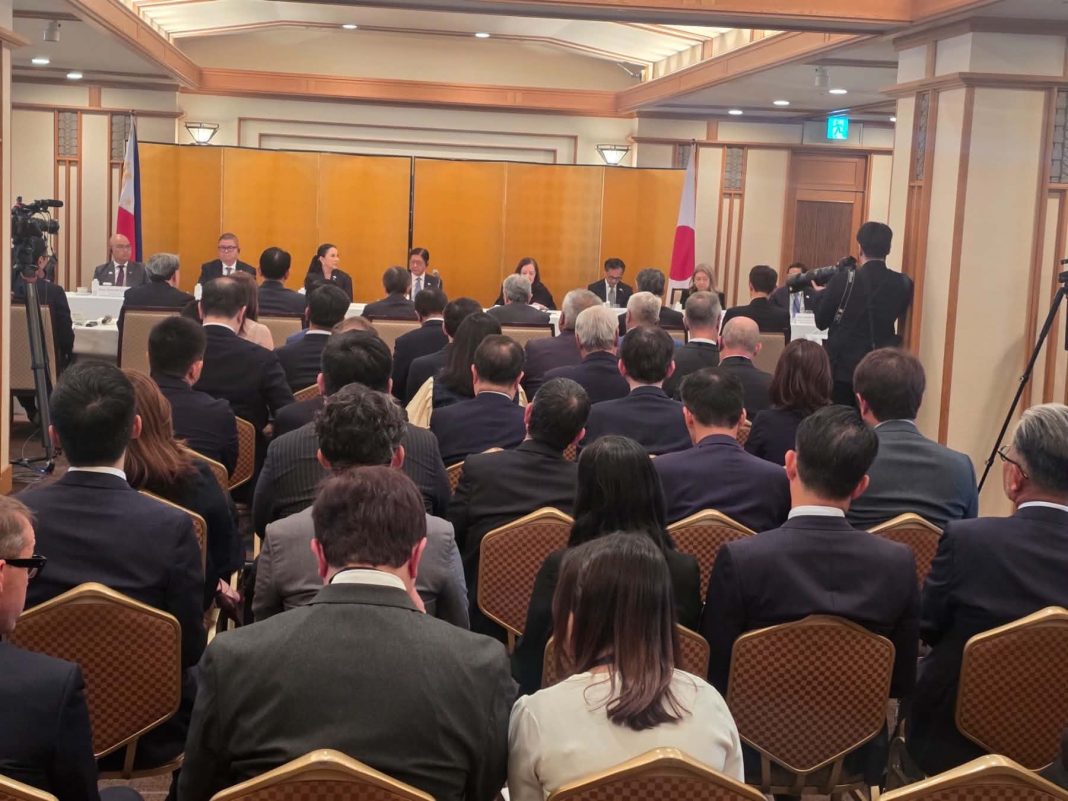
Agriculture Secretary Francisco P. Tiu Laurel Jr. said the Philippines is stepping up agricultural cooperation with Japan to expand exports, modernize farming systems, and strengthen long-term food security following high-level meetings in Japan together with President Ferdinand Marcos Jr. and Japanese officials.
Tiu Laurel said talks with Japan’s Ministry of Agriculture centered on technology exchange, logistics efficiency, and broader market access for Philippine agricultural and fisheries products. Among the priorities is the planned export of Philippine pomelo to Japan before the end of the year, alongside the country’s participation in a major Green Expo next March aimed at promoting Philippine horticulture products.
The DA chief told Radio TV Malacanang that the partnership extends far beyond staple crops, citing strong global demand for flowers, ornamental plants, and other high-value horticulture products.
“There’s a very big export market for horticulture products in the world… we need to maintain this and grow it further,” Tiu Laurel said, adding that horticulture is emerging as a key export growth area alongside traditional agricultural commodities.
Protecting Philippine banana exports to Japan—its biggest market globally—also remains a major concern. We reiterated our request for reduction in tariff while we prepare for our CPTPP accession, he said. Discussions likewise covered new market access for pomelo, food security, and fisheries cooperation, particularly in tuna, a long-standing Philippine export to Japan.
Tiu Laurel said Japan’s advanced agricultural infrastructure and post-harvest systems offered valuable lessons for the Philippines. During site visits, the Philippine delegation inspected modern grain facilities equipped with automated dryers and dehuskers capable of handling large volumes with minimal manpower.
He said the technology could serve as a model for upgrading the National Food Authority’s grain storage and processing operations.
One of the delegation’s biggest takeaways, he noted, was Japan’s rice storage capability.
“Japan could store rice for up to five years. In the Philippines, our buffer stocks are stored for 30 days,” Tiu Laurel said, describing the contrast as an eye-opener for the country’s food security planning.
The agriculture chief added that Japanese agricultural technologies currently undergoing trials in the Davao region since March last year have shown promising results and may soon be expanded to other major Philippine crops. Cooperation also covers livestock and fisheries, sectors where Japan’s technology-driven systems could help improve productivity and efficiency.
Tiu Laurel said meetings with Japanese investors underscored the importance of face-to-face engagement in securing commitments and accelerating projects. He added that coordination among several Philippine government agencies helped streamline discussions, particularly for agriculture and economic zone investments.
He said sustained engagement with Japan and other strategic partners remains crucial to modernizing Philippine agriculture, attracting investment, and building a more resilient and technology-driven food system.

