


The Department of Agriculture (DA) welcomed a breakthrough peace agreement between the United States and Iran that is expected to reopen the Strait of Hormuz, a critical global shipping route whose closure for more than 100 days drove up fuel, fertilizer, and freight costs, adding pressure on food production and inflation worldwide.
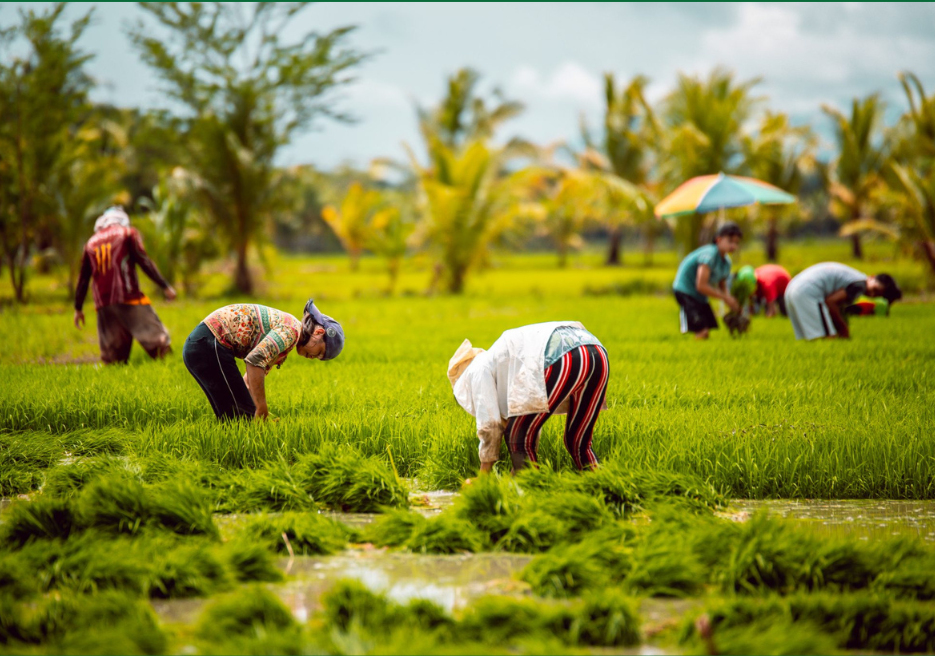
“The reopening of the Strait of Hormuz will greatly help reduce the cost of inputs in the production and transport of agricultural commodities, especially now as we prepare for a new rice planting season,” Agriculture Secretary Francisco P. Tiu Laurel Jr. said. “The expected cost reduction will be one concern less and will allow us to focus on El Niño.”
The DA had earlier prepared a worst-case scenario that assumed a prolonged closure of the strategic waterway, warning that sustained disruptions could lead to higher production costs, lower farm output, and elevated food prices. The reopening removes a major external risk just as the country gears up for the next planting cycle and braces for possible weather-related challenges
Beyond lowering production costs, Tiu Laurel said the reopening of the Strait of Hormuz is expected to facilitate trade flows between the Philippines and the Middle East, an important export destination for local agricultural and food products.
Philippine shipments to the Middle East are dominated by fresh pineapples and Cavendish bananas, alongside processed goods such as canned tuna, sardines, coconut products, and snack foods..
Oil markets have reacted swiftly to the announcement. Brent crude and West Texas Intermediate prices dropped over 4 percent on the news. Traders had already begun pricing in a possible deal in recent weeks, but confirmation of an agreement accelerated the decline.
The Strait of Hormuz carries roughly one-fifth of the world’s oil and liquefied natural gas shipments. Its closure earlier this year sent Brent crude soaring from around USD70 per barrel to as high as USD120, triggering higher logistics costs and pushing up prices of key agricultural inputs, particularly fertilizers, irrigation fuel, and transport services.
The impact was felt in the Philippines, where inflation accelerated after months of easing food prices. Rising energy costs filtered through supply chains, increasing the cost of moving agricultural products from farms to markets and raising expenses for food manufacturers.
For Philippine agriculture, the reopening of Hormuz offers more than cheaper oil. It restores a vital trade artery, eases pressure on food producers, and allows policymakers to focus on the next major challenge on the horizon: safeguarding food supply against El Niño. ###

