


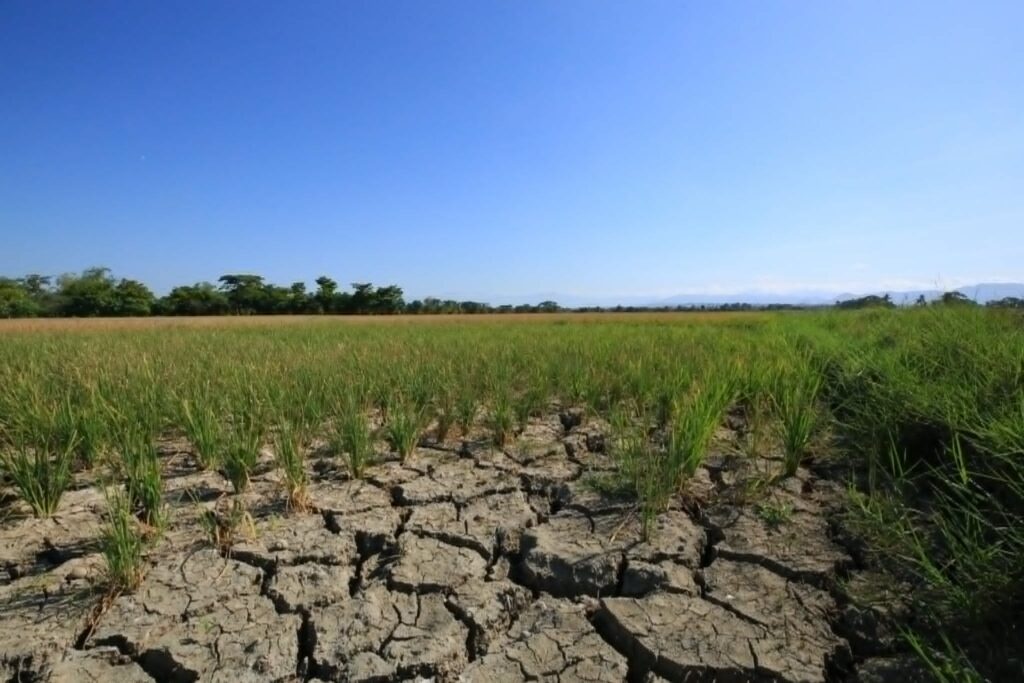
The Department of Agriculture (DA) will not suspend rice imports this year, opting to prioritize food security over market intervention as it prepares for a strong El Niño that could curb domestic production and tighten rice supplies ahead of the dry season harvest in early 2027.
The decision marks a shift from last year, when the DA temporarily halted rice imports from September to December to support farmgate prices during the main harvest.
This year, said Agriculture Secretary Francisco P. Tiu Laurel Jr., maintaining adequate stocks outweighs the benefits of restricting imports, given the heightened weather risks expected toward the end of the year.
Latest projections suggest a potential decline of palay output by 750,000 metric tons due El Niño.
“As of Aug. 3, rice imports have reached 3.3 million metric tons. Unlike last year, we will not suspend imports because we have to prepare for the impact of a strong El Niño expected around November and December,” Tiu Laurel said. “Our responsibility is to ensure the country has enough buffer stocks well before the next harvest. Food security means being proactive, not reacting after supplies tighten.”
The policy underscores the balancing act facing the government, which must keep rice affordable for consumers while preventing imports from depressing palay prices during the harvest season.
Tiu Laurel said the National Food Authority (NFA) has been directed to step up palay procurement to cushion farmers from lower prices and sustain planting intentions in the face of the threat from El Niño. He said the state grains agency aims to buy around 500,000 metric tons from farmers this wet season at a minimum of P21 per kilo for wet palay and P25 to P27 per kilo for dry palay.
He said President Ferdinand Marcos Jr. increased the NFA’s procurement budget to P14 billion this year from P9 billion in 2025, giving the agency greater capacity to support farmgate prices.
“The President’s instruction is straightforward. The NFA must have the funds and the warehouse capacity to buy more palay from our farmers,” Tiu Laurel said. “We are clearing space now so procurement can accelerate as the harvest begins later this month.”
The DA is expanding sales under its Benteng Bigas, Meron Na! program, which provides target beneficiaries such as indigents, single parents, senior citizens and persons with disabilities access to P20 per kilo from NFA inventories. The DA, through its KADIWA ng Pangulo program, aims to double to 40,000 metric tons a month the volume of rice sold through the P20 initiative.
Tiu Laurel, who also chairs the NFA Council, said the agency’s warehouses are now nearly half empty as milling activity gathers pace after recent delays.
The agriculture chief also plans to meet with rice millers to discuss what he described as a fair pricing structure across the supply chain.
“We want a market where farmers receive fair compensation, millers and traders operate sustainably, and consumers continue to enjoy reasonably priced rice,” he said, adding that locally produced rice should retail at around P47 to P50 per kilo.

