


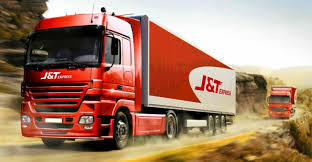
J&T Express Philippines, one of the country’s leading logistics service providers, today announced a major step toward sustainable operations with the official rollout of its first fully electric vehicle (EV) fleet. This landmark initiative, featuring cutting-edge EV trucks from SINOTRUCK HOWO, signals the company’s commitment to leading the local logistics sector in environmental stewardship and marks a significant milestone in its long-term strategy for cleaner, more environmentally responsible operations.
The inaugural EV fleet integration represents J&T Express Philippines’ tangible commitment to reducing its carbon footprint across its extensive operational network. The electric trucks, supplied by renowned vehicle manufacturer SINOTRUCK HOWO, are engineered for efficiency and environmental performance.
Each vehicle is equipped with a high-capacity 100 kWh battery, providing the necessary range and power for demanding logistics routes while producing zero tailpipe emissions. This direct replacement of conventional diesel vehicles is set to significantly reduce the emission of carbon dioxide, nitrogen oxides, and particulate matter, contributing to cleaner air quality in the communities J&T Express serves.
This EV fleet rollout is a cornerstone of J&T Express Philippines’ wider corporate social responsibility and sustainability framework. By investing in electric mobility, the company is aligning its growth with global efforts to combat climate change, setting a new benchmark for environmental standards within the Philippine logistics industry.
Key Benefits of the New EV Fleet:
-
Significant Reduction: Direct elimination of fossil fuel consumption translates to a major cut in greenhouse gas emissions.
-
Lower Operating Costs: EVs offer reduced fuel and maintenance costs, ensuring long-term operational efficiency.
-
Noise Reduction: Electric motors operate significantly quieter, minimizing noise pollution, especially during deliveries in urban and residential areas.
The company plans to strategically expand its EV fleet in the coming years, alongside establishing the necessary charging infrastructure to support an all-electric future for its line-haul and last-mile delivery services.

