


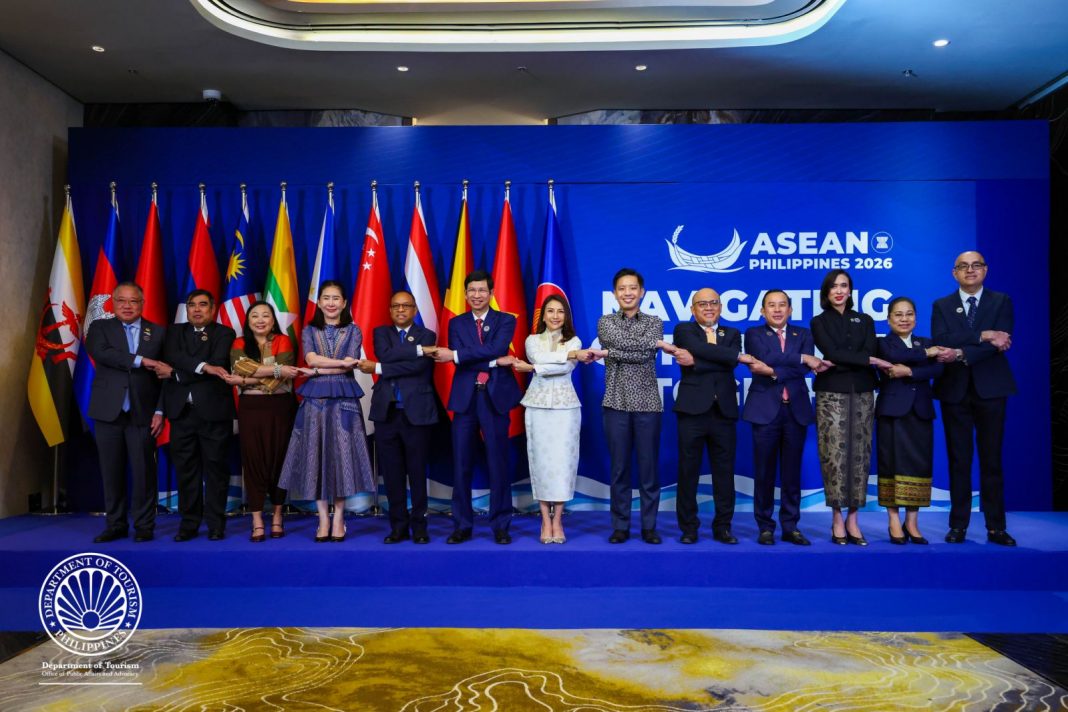
Under the banner of regional solidarity and economic resilience, the ASEAN Tourism Ministers officially convened on January 29, 2026, for the 29th Tourism Ministerial Meeting. Hosted in the vibrant province of Cebu as part of the ASEAN Tourism Forum (ATF) 2026, the summit marks a pivotal turning point for the region’s travel sector.
The meeting was chaired by the Philippines Department of Tourism (DOT) Secretary Christina Garcia Frasco, who challenged regional leaders to move beyond theoretical planning and toward tangible results.
“Our discussions today focus on our decisions, practical, and our commitments, actionable,” Secretary Frasco stated. “May Cebu’s spirit of openness and resilience guide our deliberations, and may ASEAN tourism continue to be a force for good, for jobs, enterprise, and shared prosperity.”
Central to the Philippines’ agenda is the introduction of the ASEAN Sustainable and Resilient Tourism Investment Outlook. This initiative aims to:
-
Identify and promote investment-ready projects across the region.
-
Build credible pipelines for infrastructure and development.
-
Foster close dialogue with regional economic counterparts to ensure long-term stability.
Vice Chairman Alvin Tan, Singapore’s Minister of State for the Ministry of Trade and Industry, echoed the sentiment of unity, emphasizing that the “true heart” of the region lies in its people and vibrant heritage.
“We stand in solidarity,” Minister Tan remarked. “Our ASEAN single destination vision requires us to roll together… connecting our diverse cultures into one resilient region of certainty.”
The ministers addressed several critical updates following the 46th and 47th ASEAN Summits in Malaysia, most notably celebrating the inclusion of Timor-Leste as the newest member of the bloc.
DOT Undersecretary Verna Buensuceso, serving as the ASEAN National Tourism Organizations (NTOs) Chairman, reported a year of significant progress in 2025. Key drivers of growth included:
-
Strengthened Policies: Broad implementation of eased visa requirements.
-
Diversified Offerings: Expansion of tourism products beyond traditional hubs.
-
Infrastructure: Enhanced connectivity between member nations.
As the meeting concluded, the leaders renewed their commitment to a tourism ecosystem that is sustainable, inclusive, and high-quality. The delegation expressed high expectations for the official rollout of the ASEAN Tourism Sectoral Plan (2026-2030), which will serve as the strategic roadmap for the next five years of regional growth.

