


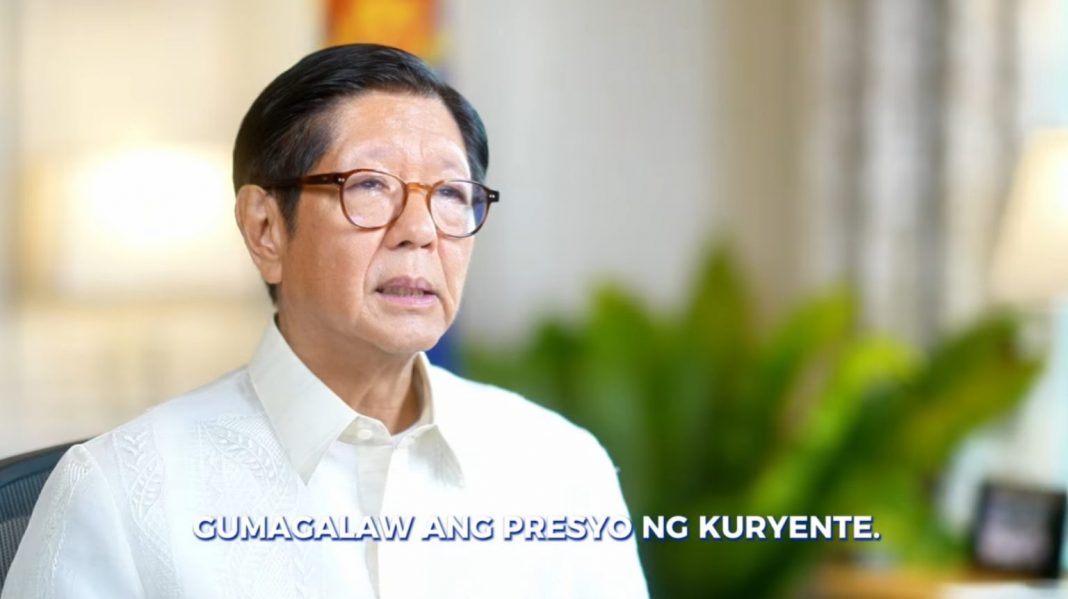
President Ferdinand R. Marcos Jr. announced a strategic multi-sectoral response to shield Filipino consumers from an anticipated spike in global oil prices.
Addressing the nation, the President detailed a series of interventions—ranging from tax adjustments and subsidies to energy conservation—triggered by the intensifying conflict in the Middle East.
The President highlighted that the regional conflict has severely disrupted global supply chains, specifically citing threats to the Strait of Hormuz, a vital artery for international oil shipping.
“When there is chaos in that region, the price of oil moves. The price of electricity moves. The price of all basic goods moves,” President Marcos stated, acknowledging the ripple effect on the national economy.
Government forecasts indicate significant price hikes effective next week:
-
Gasoline: +₱7.48 per liter
-
Diesel: +₱17.28 per liter
-
Kerosene: +₱32.35 per liter
In response to these projections, the Administration is mobilizing the following measures:
-
Temporary Tax Relief: The Executive is coordinating with Congress for authority to reduce excise taxes on petroleum products should global crude prices hit US$80 per barrel.
-
Biofuels Act Amendments: The government is seeking to update the Biofuels Act of 2006 to integrate more affordable bioethanol, aimed at lowering the retail price of gasoline.
-
Direct Subsidies: Immediate release of fuel subsidies and targeted cash transfers for the transport and agriculture sectors.
-
Anti-Profiteering Measures: Strict market monitoring is underway to prevent illegal hoarding. The President issued a firm warning: “Hoarding and profiteering are against the law. Do not take advantage of this situation.
Beyond domestic economics, the President confirmed that the Department of Foreign Affairs (DFA) and the Department of Migrant Workers (DMW) are on high alert. Preparations for the repatriation of Overseas Filipino Workers (OFWs) are currently in place for those wishing to return from the affected region.
“We do not control the war,” the President concluded. “But we do control how we protect the Filipino people.”

