


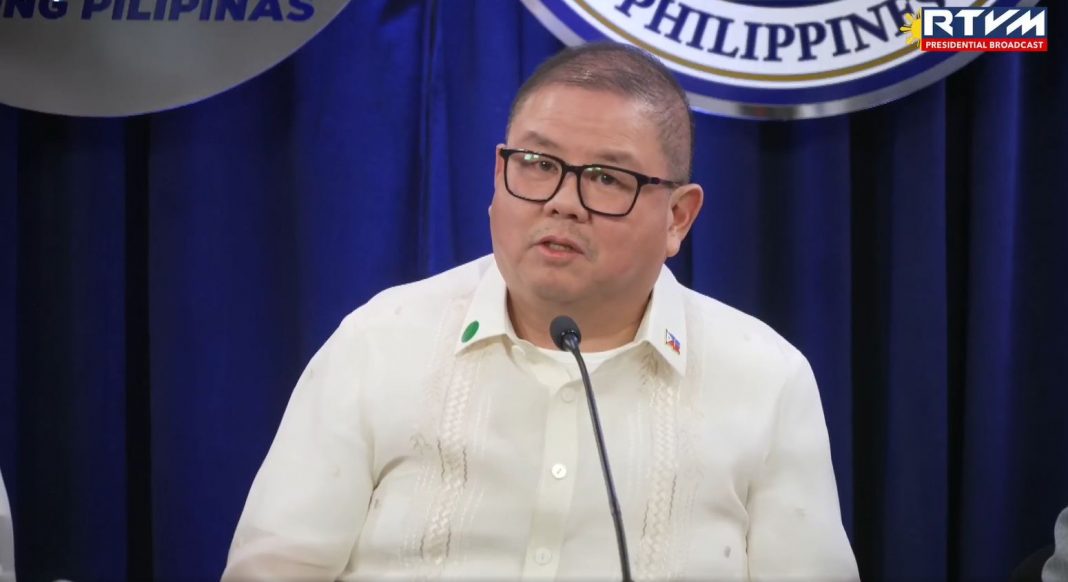
Agriculture Secretary Francisco P. Tiu Laurel Jr. said that the Department of Energy (DOE) has assured him that farmers and fisherfolk are allowed to buy petroleum products in portable containers, as long as they comply with rules designed to prevent hoarding and ensure equitable fuel distribution during the national energy emergency.
Tiu Laurel said that the DOE has issued a public notice on the use of fuel-grade containers, emphasizing that these—such as jerry cans and drums—remain permitted for legitimate operational needs. This includes fuel purchases for agricultural machinery like tractors and irrigation pumps, as well as fishing vessels and marine equipment that require fuel delivery to docks or shorelines, he said.
The DOE noted that such transactions must adhere to its circular, which outlines safety and compliance standards for appropriate containers. Buyers are also required to present proof of operational necessity, such as business permits, certifications, or purchase orders, to validate their fuel requirements.
“Our farmers and fisherfolks could rest assured that they will continue to have access to the fuel they need for their productive activities,” said Tiu Laurel.
The DA chief stressed that food production and transport have been identified as priority sectors by Ferdinand Marcos Jr. to ensure Filipinos welfare and sustain economic activities. Tiu Laurel said the DOE assurance is part of broader government efforts to manage fuel supply amid concerns over possible shortages and panic buying.
Monitoring teams composed of local government units and police personnel have been deployed to gasoline stations to ensure compliance with anti-hoarding laws and fuel management policies. Inspectors are tasked to observe fuel inventory levels, daily sales volumes, and unusual purchasing patterns, including bulk transactions or repeated purchases within a short timeframe.
While large-volume purchases are not automatically considered hoarding, authorities are required to verify the legitimacy of such transactions.
Fuel stations may also impose temporary purchase limits per vehicle to prevent stockpiling and ensure fair access to available supply. However, the DOE stressed that essential sectors—including agriculture and fisheries—should be prioritized during disruptions.
The DOE has reiterated that its policies aim to strike a balance between maintaining supply stability and supporting key industries. It also urged the public to report suspicious fuel-related activities through official government reporting platforms as monitoring continues nationwide.

