


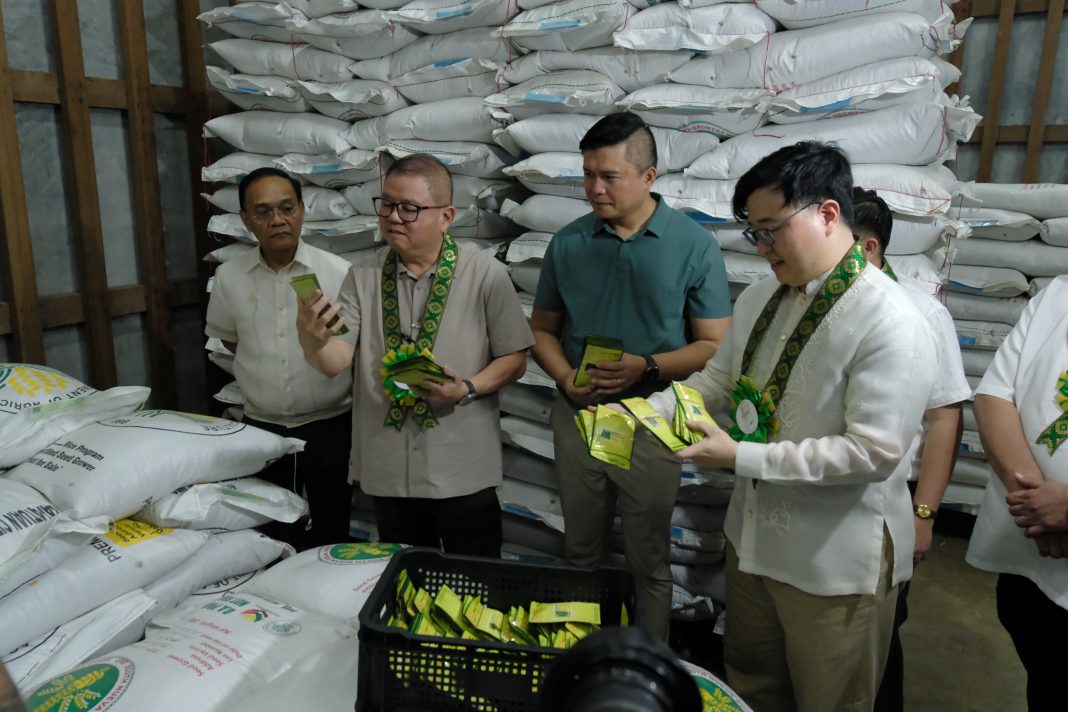
The Department of Agriculture (DA) has strengthened the country’s food security arsenal with the National Seed Reserve Facility, a centralized storage vault designed to preserve high-quality seeds and ensure a reliable supply of planting materials for both regular crop production and post-disaster recovery.
Located inside the Bureau of Plant Industry (BPI) compound in Quezon City, the facility will serve as the government’s long-term repository for strategically important seeds. The seed storage facility is solar-powered, helping push the DA’s green and resiliency agenda.
Beyond supporting the BPI, it will also provide secure storage services to partner government agencies and institutions, helping safeguard the country’s agricultural resources against disruptions caused by natural disasters and other emergencies.
Agriculture Secretary Francisco P. Tiu Laurel Jr. said the facility is a critical investment in the country’s food security strategy as climate-related risks become more frequent and severe. “In the face of stronger typhoons, prolonged droughts and other climate-driven disruptions, having a dependable reserve of quality seeds means we can help farmers replant quickly, restore food production faster and strengthen the resilience of our agriculture sector. This facility is about ensuring that food security is never compromised, even during the most challenging times,” he said.
The launch of the facility on Thursday, July 2, comes as the government steps up efforts to make Philippine agriculture more climate-resilient amid increasingly unpredictable weather patterns that have repeatedly disrupted harvests and threatened farmers’ livelihoods. A secure seed reserve reduces the risk of planting delays after calamities, allowing production to recover more quickly and minimizing supply shocks that can drive up food prices.
The National Seed Reserve Facility is designed to preserve seed quality and viability over the long term while ensuring timely access to planting materials for government production programs, rehabilitation initiatives and emergency response operations. It also seeks to strengthen coordination among agencies responsible for protecting the country’s seed resources and supporting sustainable agriculture.
BPI Director Glenn Panganiban said the facility represents a major step toward building a more integrated and reliable seed security system. He noted that by making the storage vault available to partner agencies and institutions, the government is fostering greater collaboration while ensuring that quality seeds remain accessible for routine planting, disaster rehabilitation, and other priority agricultural programs.
“The facility aims to ensure the long-term preservation, quality, and timely availability of seeds for regular planting programs, disaster response, rehabilitation efforts, and other priority government initiatives,” Panganiban said.
With climate adaptation increasingly becoming a central pillar of agricultural policy, the new facility underscores the government’s shift from reactive disaster response to proactive preparedness—placing quality seeds at the heart of long-term food security and farm resilience.

