


The Department of Energy (DOE) announced today that the Visayas Grid has been lifted from Yellow Alert status following the return to service of Panay Energy Development Corporation’s (PEDC) Unit 3, restoring 150 megawatts (MW) of generating capacity and significantly improving power supply conditions across the region.
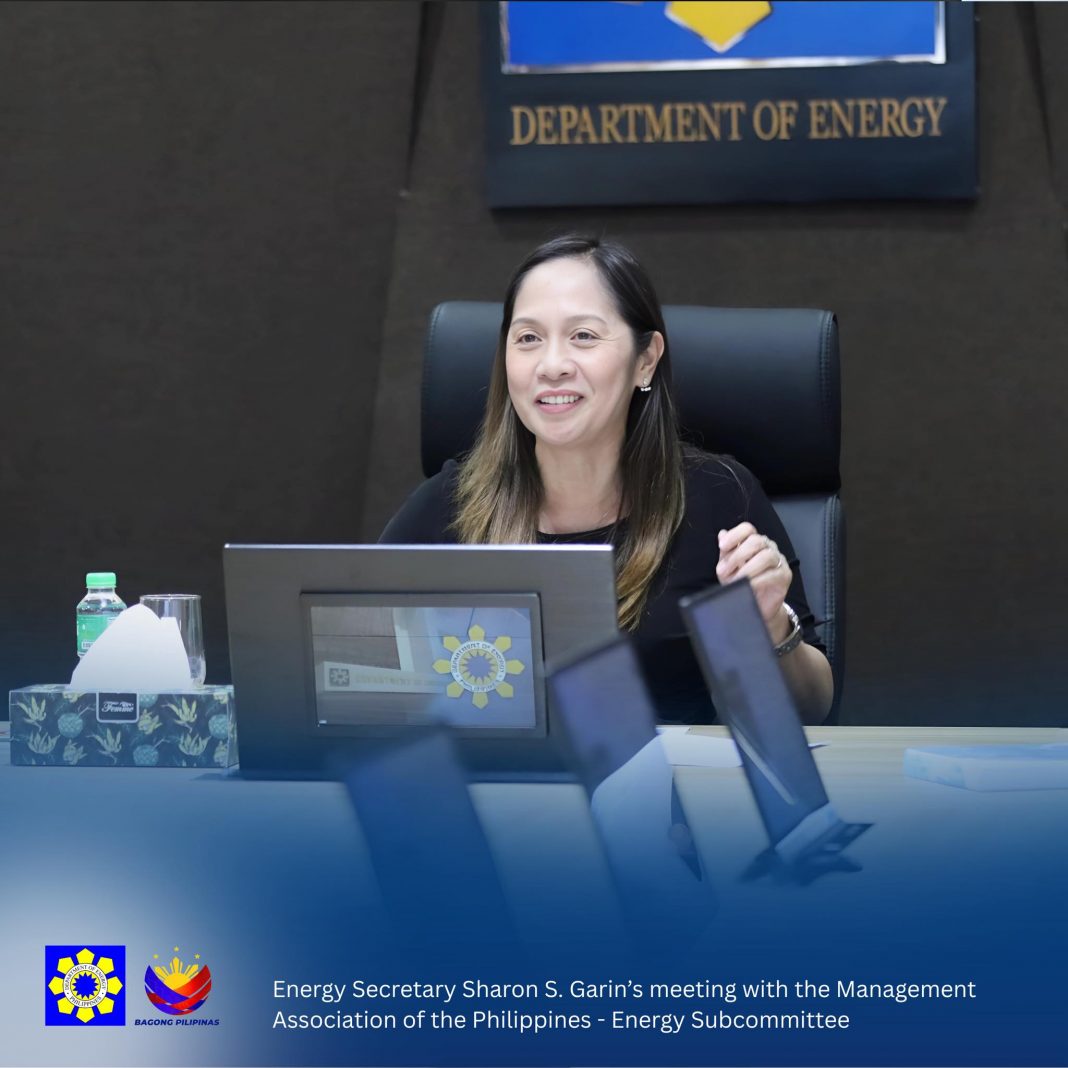
Energy Secretary Sharon S. Garin said the development reflects the coordinated efforts of government and industry stakeholders to stabilize the power system while advancing long-term measures to strengthen the country’s energy security.
“Behind every megawatt restored are Filipino families who depend on electricity for their daily lives, students who need light to study, workers who rely on power to earn a living, and businesses that keep our economy moving. Every improvement we make to the power system is ultimately about ensuring that the Filipino people have reliable and dependable electricity,” the Secretary said.
With PEDC Unit 3 back in operation, dependable capacity available to the Visayas Grid, including power imported through the interconnections with Luzon and Mindanao, now stands at 2,502 MW during daytime operations and 2,483 MW during the evening peak, supported by approximately 700 MW of imported capacity.
The DOE is likewise closely coordinating the return to service of other major generating units currently undergoing scheduled maintenance, including Therma Visayas Units 1 and 2, each with a capacity of 169 MW, and KEPCO-SPC Unit 1 in Cebu. The two Therma Visayas units are expected to resume operations by the end of August 2026, further reinforcing the region’s supply outlook in the coming months.
While welcoming the lifting of the Yellow Alert, the Secretary emphasized that sustaining a reliable power system requires continued investments beyond restoring existing capacity.
“The lifting of the Yellow Alert is an encouraging development, but our work does not stop here. We remain focused on expanding generation capacity, accelerating renewable energy development, strengthening our transmission network, and ensuring that our power system is resilient enough to meet the country’s growing energy needs,” she said.
The Secretary said the improvements in the Visayas Grid form part of the DOE’s broader strategy of building a more resilient energy sector, one that encompasses not only electricity supply but also the country’s fuel security.
Against the backdrop of continued geopolitical uncertainties affecting global energy markets, the DOE reiterated its call for the immediate passage of the proposed amendments to the Oil Deregulation Law, which are now under deliberation in both the Senate and the House of Representatives.
Among the key proposed reforms are the establishment of a national fuel reserve equivalent to at least 60 days of supply and the increase in the minimum inventory requirement for oil companies from 15 days to 30 days. These measures are intended to strengthen the country’s preparedness against supply disruptions, enhance market resilience, and provide greater protection for consumers during periods of global volatility.
“These are not simply regulatory amendments. They are practical measures that will strengthen our energy security, improve supply resilience, and better protect the Filipino people from future global disruptions,” the Secretary said.
The DOE reaffirmed its commitment to pursuing policies that strengthen the country’s energy resilience across both the power and downstream oil sectors, ensuring that Filipino consumers continue to benefit from a more reliable, secure, and sustainable energy future.

