


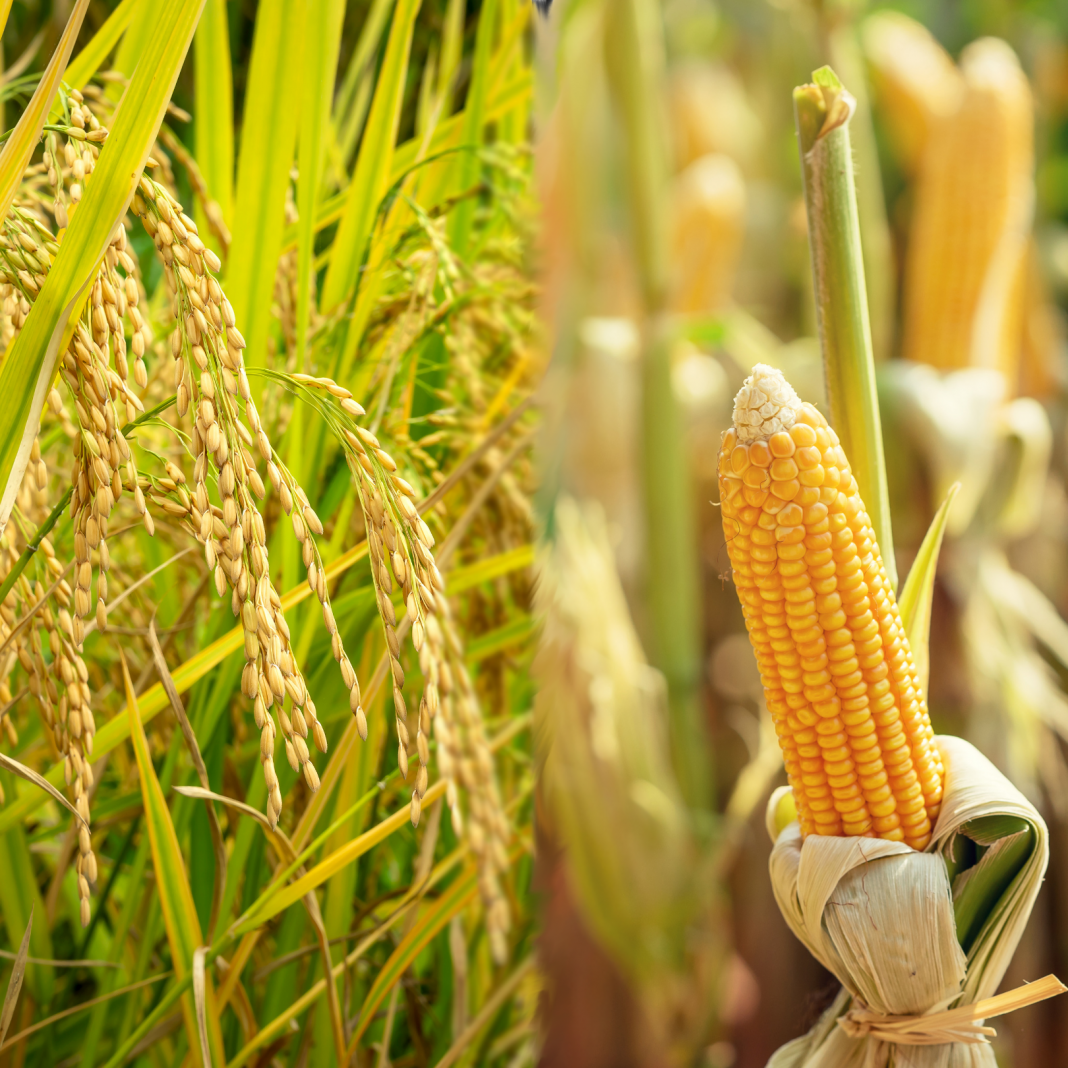
In a statement, the proposed tariff reform is a targeted and evidence-based intervention designed to cushion price increases. Animal feed represents the single largest cost component in poultry and swine production, accounting for up to 70 percent of production costs. Consequently, corn is the major ingredient in animal feed, accounting for 50 to 65 percent of feed formulations. Hence, lowering the cost of corn will eventually result in lower pork and chicken prices.
This approach is particularly critical in the context of feed demand, where domestic corn production remains insufficient to meet the requirements of feed manufacturers. By improving access to imported corn through a uniform tariff structure, the market becomes more responsive to fluctuations in demand, ensuring a steadier and more reliable supply of feed inputs. This, in turn, reduces input costs for feed producers, promotes efficiency across the livestock and poultry sectors, and enhances overall competition within the value chain. The impact is clear: more stable and affordable prices for pork, chicken, and eggs, and a meaningful contribution to mitigating inflationary pressures on Filipino households.
In contrast, the proposal by the Department of Agriculture to increase the Minimum Access Volumes (MAV) for corn and other agricultural commodities risks entrenching discretion-based allocation, which in practice can foster rent-seeking, favoritism, and regulatory capture.
FEF explained that by design, a quota system concentrates the power to determine who may import and in what volume—an approach that is inherently vulnerable to unequal access and even favoritism in decision-making. Moreover, the administrative determination of MAV levels is structurally limited in its ability to accurately reflect real market conditions, consequently resulting in price distortions and inefficiencies across the value chain.
Moreover, affordable protein sources will have a positive impact on the nutrition of Filipinos. Malnutrition remains a major issue among Filipino children, with those aged 3-5 consuming 20 percent less protein than recommended levels. Affordable protein sources will alleviate the malnutrition problem, particularly stunting. Data reveal that 23.6 percent of children under five, 17 percent school-age children (5–10 years), and 20.7 percent of adolescents (10–19 years), are stunted. Severe stunting adversely affects educational outcomes and future employment prospects.
A uniform and lower tariff on corn would therefore help improve access to affordable protein, support better nutrition outcomes, reduce child stunting, and strengthen the country’s human capital base.
Importantly, FEF said, the proposed tariff modification is calibrated in a manner that does not unduly harm domestic corn farmers. The Petition recognizes that the Philippine corn sector operates within a broader and evolving food system. By lowering feed costs, the reform strengthens downstream demand for agricultural inputs, supports feed mill operations, and enhances the viability of poultry, livestock, and aquaculture producers.
“This creates a multiplier effect across the agricultural value chain and corn farmers can move to more productive and higher value-added agribusiness, as the industry progresses,” the statement concluded.
In addition, as tariff revenues rise due to increased corn imports, the government can channel these revenues into direct subsidies to improve the productivity of corn farmers.
This reform is very timely considering the current energy crisis that is already resulting in rising food prices. Therefore, the Foundation for Economic Freedom (FEF) strongly urges the Tariff Commission and the Marcos administration to give due consideration to this Petition to lower the out-quota tariff on corn imports from non-ASEAN countries from 15% to 5%, making it uniform with the in-quota tariff. FEF believes that the reform addresses the broader public interest and represents an investment in the welfare and dignity of every Filipino family.

