


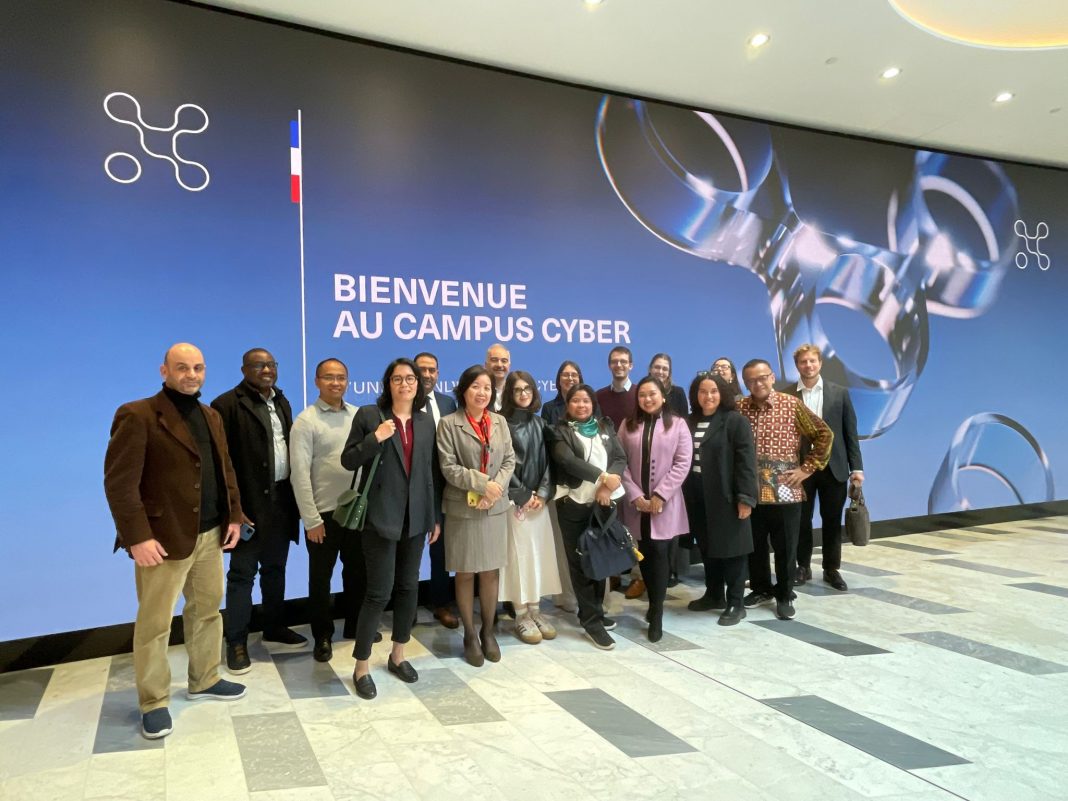
The European Union (EU) and the Philippines are advancing their strategic partnership on digital and infrastructure development, as Filipino representatives join a high-level study visit across Belgium, Germany, France, and Finland. The visit highlights how the EU’s €300 billion Global Gateway is transforming connectivity ambitions into tangible outcomes—building stronger networks, smarter infrastructure, and trusted digital ecosystems.
The delegation, which includes representatives from countries across the Middle East, North Africa, and Asia, is engaging directly with European policymakers, technology leaders, and innovators at the forefront of connectivity development. The Philippines has taken a leading role in exploring collaborative pathways, reflecting its commitment to accelerating digital transformation and sustainable infrastructure growth.
Throughout the program, participants are gaining firsthand insights into Europe’s integrated approach to connectivity—combining policy, investment, and innovation. Meetings with leading European technology firms and institutions have showcased cutting-edge advancements in 5G deployment, cybersecurity resilience, and submarine cable systems, all critical pillars for building future-ready digital economies.
European stakeholders have expressed strong interest in deepening cooperation with the Philippines, emphasizing opportunities for knowledge exchange, capacity building, and joint investment. Through the Global Gateway initiative, the EU and its private sector partners are prepared to share expertise in regulatory frameworks, technical standards, and secure digital infrastructure, while facilitating partnerships that unlock sustainable and inclusive growth.
“This visit demonstrates our shared commitment to building connectivity that is not only fast and efficient, but also secure, resilient, and values-driven,” said an EU representative. “By working together, we can create lasting digital bridges between Europe and the Philippines.”
The initiative underscores the EU’s broader vision of fostering trusted global partnerships, where connectivity investments are guided by transparency, sustainability, and high-quality standards. For the Philippines, the collaboration offers a pathway to strengthen its digital backbone, enhance regional integration, and expand opportunities for innovation-driven development.
As the study visit concludes, both sides reaffirm their readiness to translate dialogue into action—laying the groundwork for long-term cooperation that connects people, economies, and ideas across continents.

