


A joint memorandum circular (JMC) is being prepared by concerned government agencies to fast-track the permitting process for electric vehicle (EV) charging stations, reducing the current average processing time of six months and supporting the country’s growing shift toward green mobility.
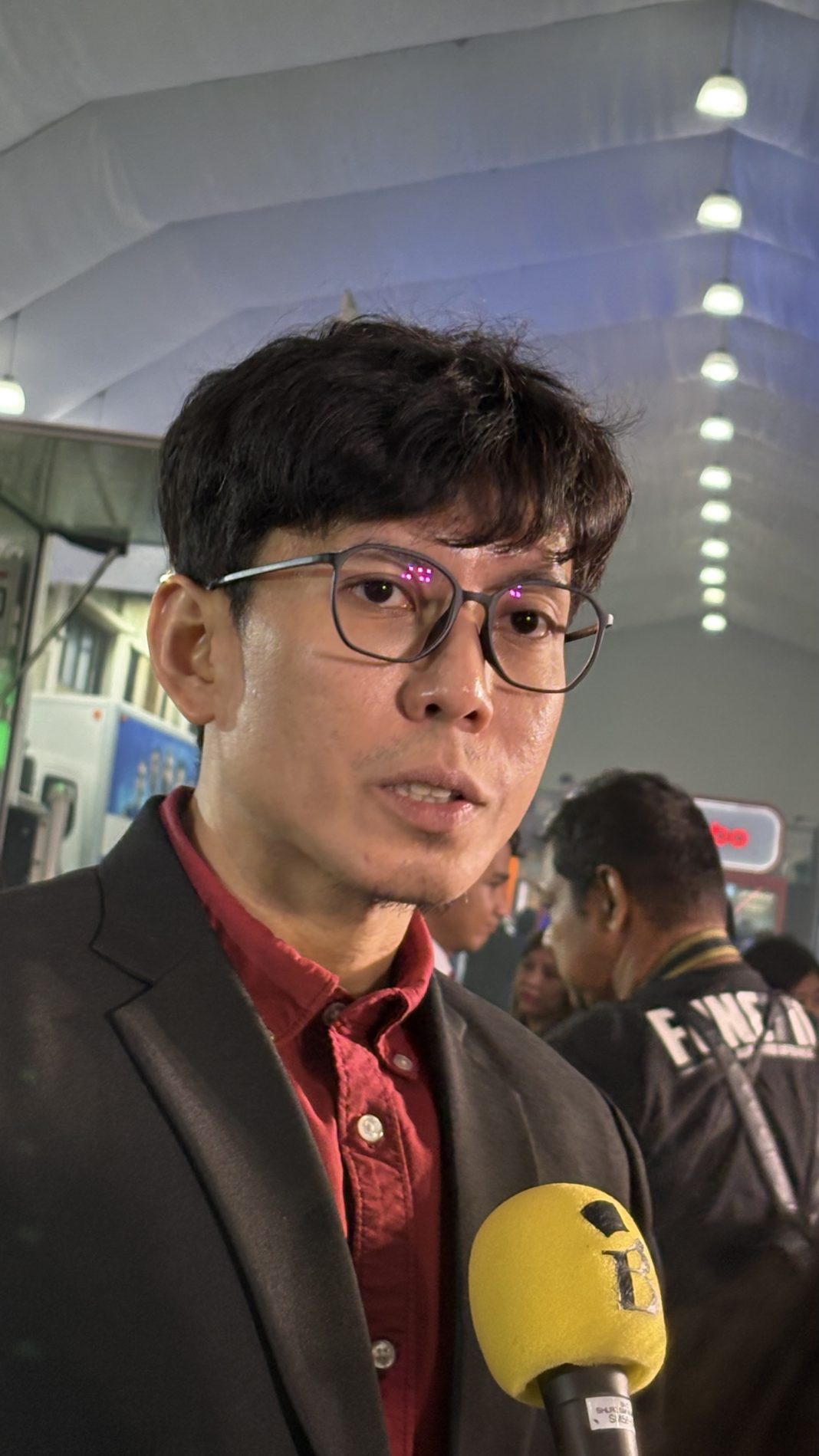
Patrick Aquino, director of the Department of Energy (DOE), said during today’s opening of the 10th Philippine International Motor Show at the World Trade Center that the proposed JMC involves the DOE, the Department of the Interior and Local Government (DILG), the Department of Public Works and Highways (DPWH), and the Anti-Red Tape Authority (ARTA).
According to Aquino, obtaining permits currently takes an average of at least six months. The memorandum seeks to cut the processing period by half, or even more.
Aquino said the government is looking to pattern the EV charging infrastructure permitting process after the net metering framework in the power sector, which reduced processing time to 10 days from the previous 20 days.
“The major change that’s going to be happening with our proposal is that everything is time-bound,” he said.
Once the prescribed period lapses, permit applications will be deemed approved, Aquino added.
ARTA, the government’s anti-red tape watchdog, has been working to reconcile overlapping mandates and requirements among government agencies to streamline the process.
“ARTA is wrestling with competing mandates of government agencies within the Ease of Doing Business Act,” he said.
The memorandum is expected to be implemented within the year, although Aquino said, “My personal goal is to have it before the second half. Because there are people willing to install it.”
The concerned agencies also hope to introduce parallel processing instead of the current sequential system. Under this approach, requirements can be processed simultaneously, eliminating unnecessary preconditions.
Aquino emphasized the need to accelerate the installation of EV charging stations to keep pace with the strong growth in EV sales.
The government is targeting the installation of 7,000 EV charging stations by 2028. To date, there are about 1,600 charging stations nationwide, he said.
Once the permitting process is streamlined, Aquino expects the entry of charging infrastructure providers to accelerate, potentially allowing the country to surpass its target of 7,000 charging stations by 2028.
At present, the Philippines has one charging station for every 47 EVs, compared with the global average ratio of one charging station for every 10 EVs.
If the target of 7,000 charging stations is achieved, the country’s ratio is expected to improve significantly and move closer to the global benchmark of 1:10.
On EV sales, Aquino said year-to-date registrations have reached 14,000 units.
The government is targeting cumulative EV sales of 100,000 units by the end of the year. So far, a total of 60,000 EVs have been registered with the Land Transportation Office (LTO).

