


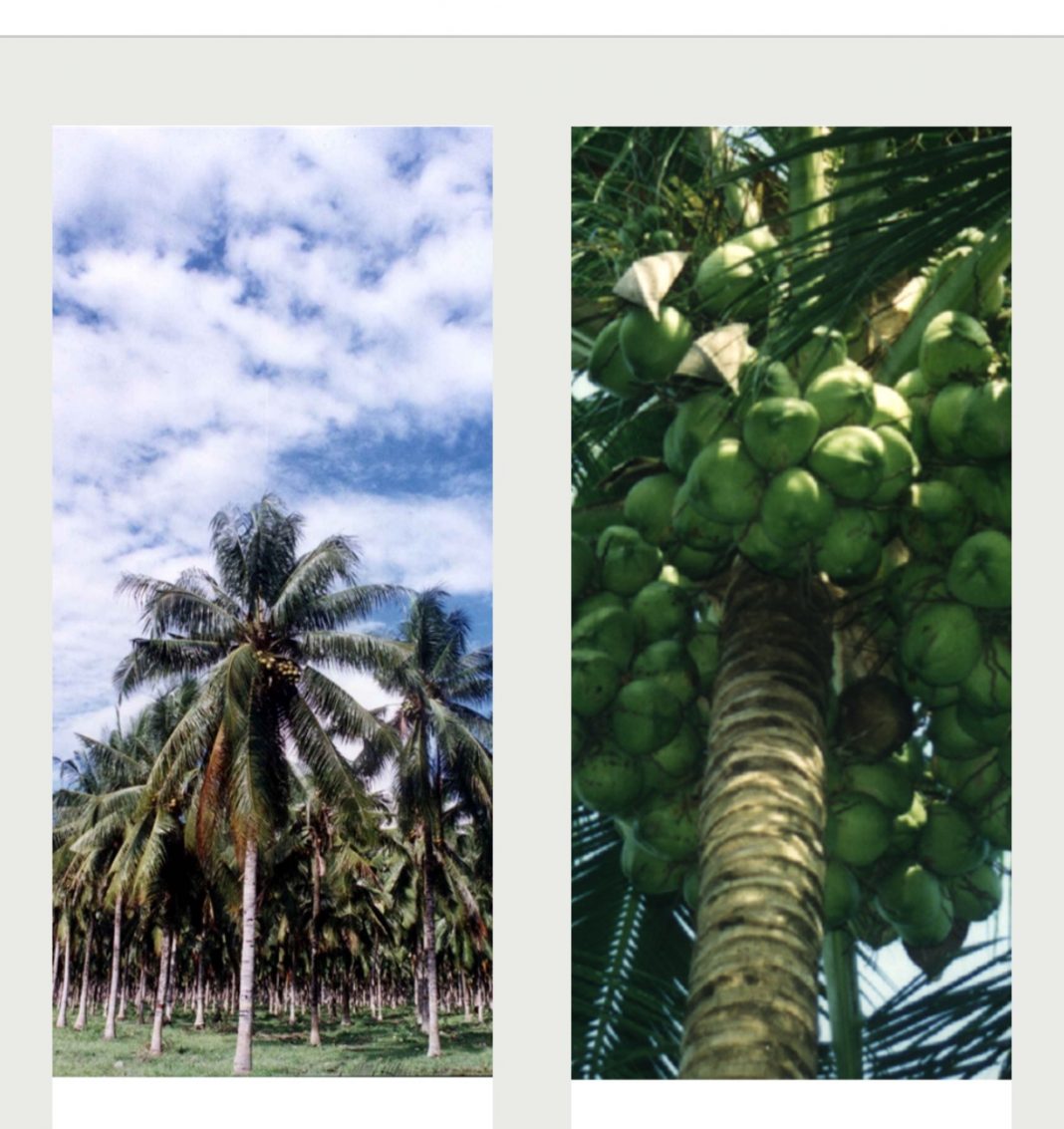
Agriculture Secretary Francisco Tiu Laurel Jr. has endorsed a private sector-backed policy resolution calling for the immediate transition to a 5 percent coco-biodiesel blend (B5), and has forwarded the proposal to both the Senate and the Department of Energy (DOE).
The Department of Agriculture’s (DA) endorsement covers Resolution No. 03, Series of 2026, passed by the Philippine Council for Agriculture and Fisheries–National Sectoral Committee (NSC) on Coconut, chaired by Charles Avila.
Philippine Coconut Authority Administrator Dexter Buted also expressed the agency’s full support for the resolution, describing it as a strong potential boost for the coconut industry, which sustains millions of Filipino livelihoods.
Secretary Tiu Laurel forwarded the manifesto to Senator Francis “Kiko” N. Pangilinan, chair of the Senate Committee on Agriculture, Food, and Agrarian Reform, and to Energy Secretary Sharon S. Garin, who also chairs the National Biofuels Board (NBB).
The shift toward higher biofuel blends was mandated under Republic Act No. 9367, or the Biofuels Act of 2006, which promotes the blending of Coconut Methyl Ester (CME) into petroleum products to revitalize the domestic coconut industry, enhance energy security, and advance environmental sustainability.
A 300 percent spike in international coconut oil prices in the past had forced the NBB to temporarily pause the transition. However, current market conditions are now seen as favorable for its revival.
CME is biodegradable and non-toxic, and produces significantly lower sulfur and greenhouse gas emissions compared to conventional petroleum diesel.
Industry experts note that while the B5 blend is a strategic, long-term market intervention rather than a quick fix for fuel prices, it remains a critical step as domestic oil prices are expected to take six to twelve months to stabilize amid ongoing global supply chain disruptions.
Beyond its environmental and technical benefits, the expansion of B5 is expected to help stabilize agricultural prices and generate higher incomes for an estimated 2.5 to 3.5 million coconut farmers.
“The Department of Agriculture strongly supports the transition to a 5 percent biodiesel blend. This is more than a step toward meeting international standards. It is a meaningful investment in the future of millions of Filipino farmers, workers, and families who rely on the coconut industry for their livelihood,” Tiu Laurel said.
He added that expanding demand for CME would help create jobs, maximize existing production capacity, and generate greater value for the coconut sector.
“At the same time, this shift strengthens the country’s energy security and self-reliance by reducing dependence on imported fuels and making better use of a homegrown renewable resource,” the DA chief added.

