


The Department of Energy (DOE) welcomed President Ferdinand R. Marcos Jr.’s issuance of Executive Order (EO) No. 121 establishing the Electric Vehicle Incentive Strategy (EVIS) Program, describing it as a landmark policy that will accelerate investments in electric vehicle (EV) manufacturing, make EVs more affordable for Filipino consumers, strengthen the country’s energy security, and position the Philippines as a competitive player in the regional EV value chain.
The Executive Order puts into action the manufacturing component of the Comprehensive Roadmap for the Electric Vehicle Industry (CREVI) under the Electric Vehicle Industry Development Act (EVIDA). It provides targeted fiscal incentives to encourage the domestic manufacture and assembly of electric vehicles and their parts and components while establishing a whole-of-government framework to support the industry’s long-term growth.
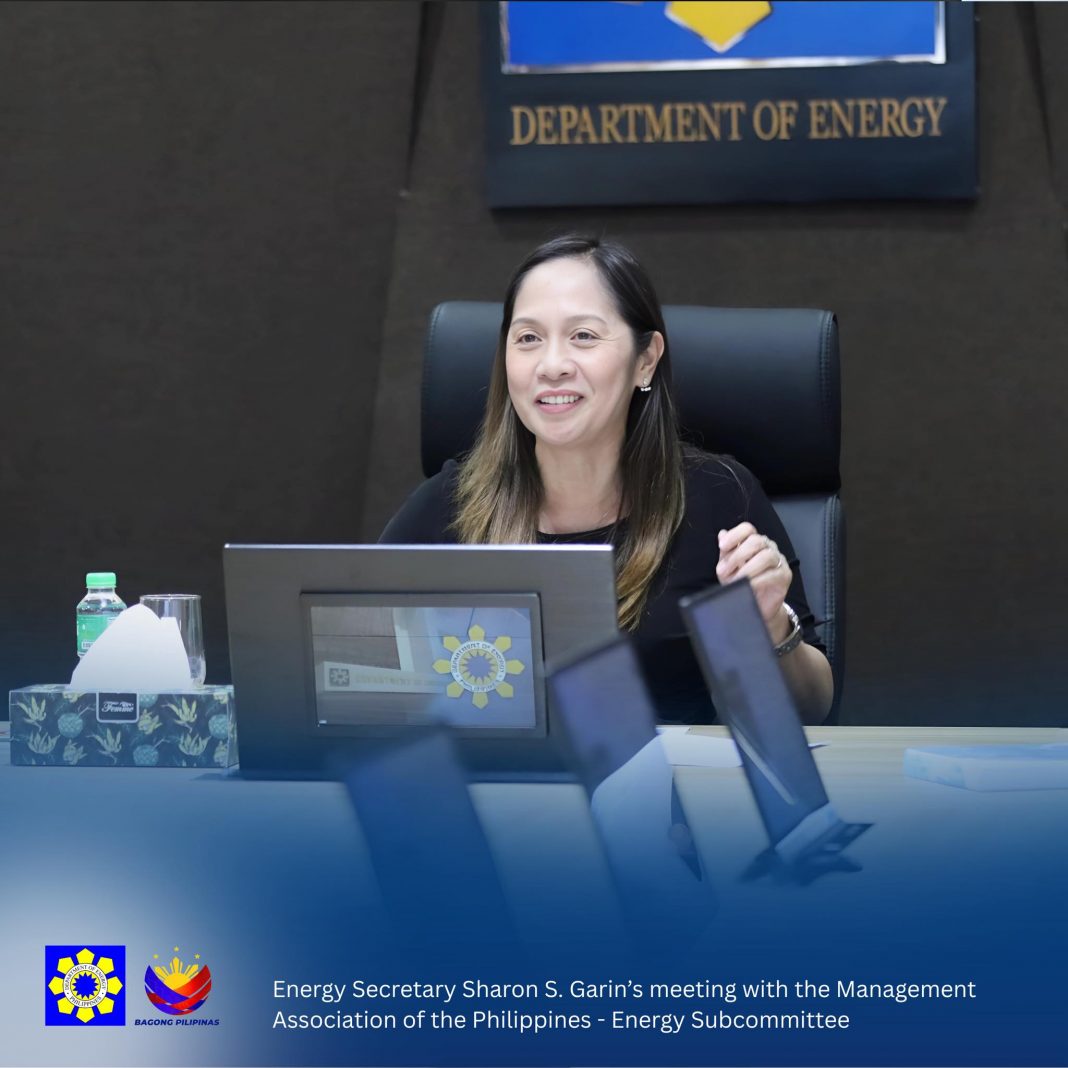
Energy Secretary Sharon S. Garin said the issuance of the Executive Order marks a major step toward building a complete electric mobility ecosystem by enabling the Philippines to become a competitive manufacturing destination for the next generation of clean transport technologies.
“The President has made it clear that the Philippines should not only use electric vehicles — we should build them. Executive Order No. 121 turns that vision into action by giving investors the confidence to manufacture in the Philippines, creating quality jobs for Filipinos, and making electric vehicles more affordable and accessible to every Filipino family,” Secretary Garin said.
Secretary Garin also emphasized that the EVIS Program complements the Department’s continuing efforts to expand the country’s EV charging network, encourage consumer adoption of electric vehicles, modernize the transport sector, and accelerate the use of cleaner and indigenous sources of energy.
The Department estimates that increased local manufacturing and assembly could reduce prevailing EV prices by approximately 6% to 12%, translating to potential savings of as much as ₱200,000 per vehicle, depending on the model. Lower production and logistics costs are likewise expected to expand consumer choice, improve market competition, and make electric vehicles increasingly accessible to Filipino households, businesses, and public transport operators.
Beyond industrial development, the EVIS Program is a strategic investment in the country’s long-term energy security.
“Transportation remains one of the country’s largest consumers of imported petroleum. Every electric vehicle powered increasingly by Philippine-generated electricity helps reduce our dependence on imported fuel, protects consumers from volatile global oil prices, strengthens our energy resilience, and supports a cleaner and more sustainable transport system.”
She added that developing a domestic EV manufacturing industry also creates broader economic opportunities by attracting technology-intensive investments, strengthening local supply chains, promoting innovation, and creating high-quality employment for Filipino workers.
Under Executive Order No. 121, the EVIS Program provides fiscal support for the domestic manufacture and assembly of hybrid and battery electric passenger and commercial vehicles, as well as their parts and components. The Order also creates the Inter-Agency Committee on Electric Vehicle Industry Development, bringing together key government agencies, including the Department of Energy, to ensure coordinated implementation of the program.
The DOE will work closely with the Department of Trade and Industry, the Board of Investments, the Department of Finance, the Department of Transportation, the Department of Budget and Management, and other implementing agencies to ensure the effective rollout of the EVIS Program, attract high-quality investments, and maximize its benefits for Filipino consumers, workers, and businesses as the country accelerates its transition toward a cleaner, more resilient, and globally competitive energy future.

