


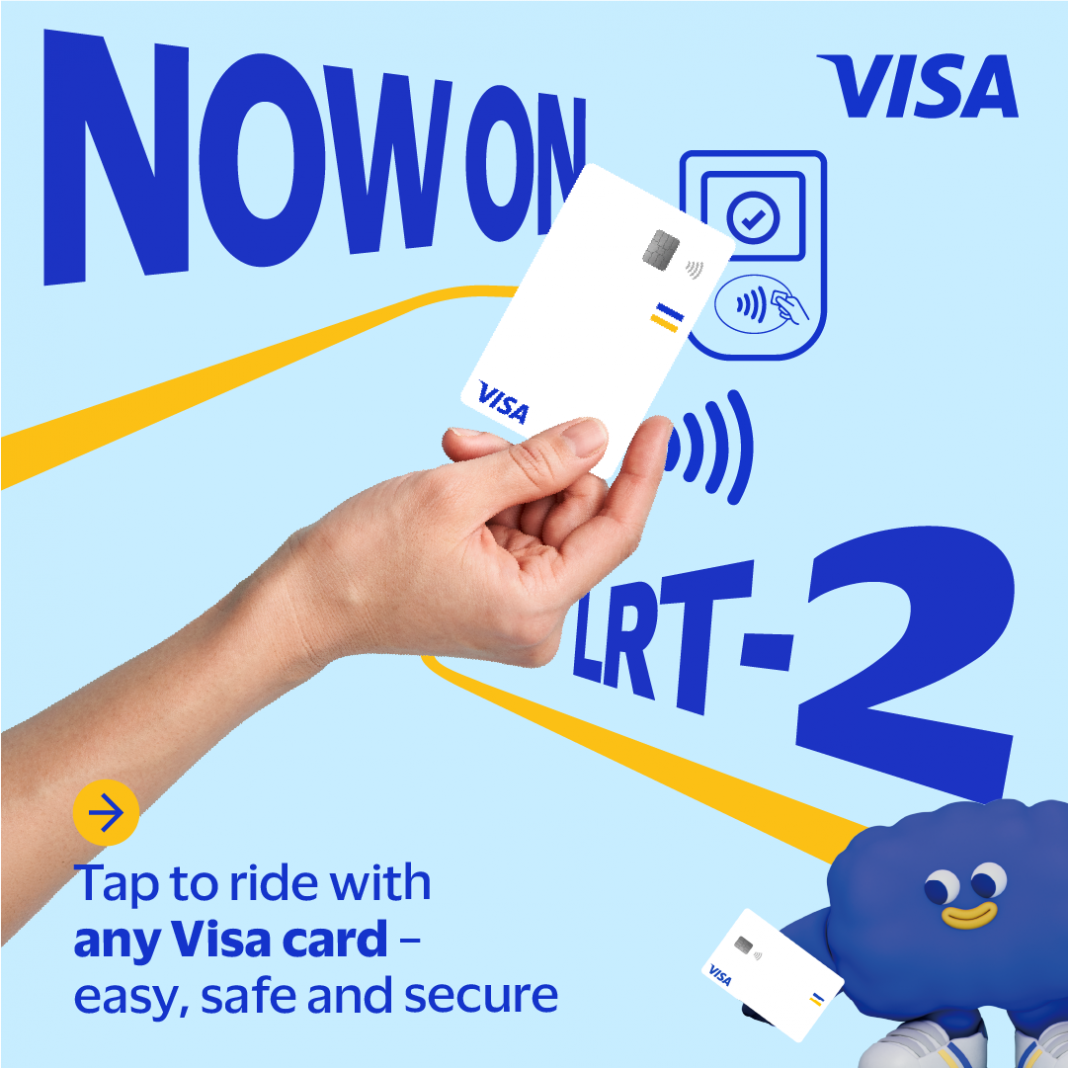
Visa (NYSE: V), a global leader in digital payments, is expanding automated, contactless fare collection systems to the Manila Light Rail Transit (LRT) Line 2, accelerating digitization of payments and expanding financial inclusion while enhancing urban transit experiences for Filipino commuters. Completed in partnership with the Completed in collaboration with the Department of Transportation (DOTr), the Rizal Commercial Banking Corporation (RCBC), and other industry stakeholders, the project marks Visa’s fourth cashless transit project in the country.
With its first line commencing operations in December 1984, the LRT was Southeast Asia’s first rapid transit system. Rapid urban growth saw the construction of LRT-2, which launched in April 2003. Since then, LRT-2 has been extended east-ward to connect to the province of Rizal, increasing coverage and accommodating growing ridership.
Today, commuters now enjoy faster, more secure train journeys using their Visa cards, QR codes, and NFC-enabled devices in all 13 stations of LRT-2. The Visa Economic Empowerment Institute estimates that open-loop, contactless systems in public transit could boost ridership by up to 10 percent. With more than 160,000 commuters relying on the train line, cashless transit payments are seen to streamline commuting experiences, providing seamless and secure digital payments while expanding urban mobility and boosting economic activity.
Accelerating digital and financial inclusion
The launch follows the success of Visa’s cashless transit projects for the MRT-3 as well as bus systems in Cebu, Mandaue, and Bacolod. The LRT’s new cashless fare collection system aligns Metro Manila with the region’s leading urban centers in terms of convenience, innovation, and commuting experience, removing barriers for local and international tourists who increasingly expect seamless, card-based payments when traveling. Across Asia-Pacific, 94% of riders expect contactless payments to be offered when commuting, and 45% of commuters would take more trips if it were easier to pay their fares.
“The automated fare collection systems across Metro Manila’s three rail lines signifies Visa’s commitment toward accelerating financial inclusion, allowing both commuters and tourists to access digital payments while improving overall urban mobility in the Philippines. With expanded access to digital financial systems, we aim to support the government in boosting productivity while stimulating economic activity to fuel growth,” said Jeffrey Navarro, Visa’s Country Manager for the Philippines.
Visa continues to deliver innovative mobility solutions with more than 870 tap-to-ride transit projects globally, advancing economic development, supporting inclusive growth, and positioning the Philippines as a global leader in smart, sustainable urban infrastructure.

