


The Packaging Institute of the Philippines (PIP) warned that the escalating conflict in Iran and its impact on global oil markets poses a significant threat to the local packaging industry, valued at an estimated US$78 billion in 2025. With global packaging costs projected to rise sharply, Filipino consumers may soon face higher prices for everyday essential goods.
As a petro-based sector, the plastic packaging industry is particularly vulnerable. Rising crude oil prices directly inflate the cost of raw materials—such as PET, HDPE, and PP—used in everything from beverage bottles to food sachets. Experts from the commodity analysis hub CZapp suggest that if regional instabilities persist, packaging costs for the bottled industry could surge by as much as 45%.
The impact is expected to be felt most acutely at the household level. In the Philippines’ “tingi” economy, where single-use sachets for coffee, shampoo, and toothpaste are staples, price hikes are inevitable.
According to the Global Alliance for Incinerator Alternatives (GAIA), Filipinos consume approximately 164 million sachets daily. As production and logistics costs climb, the affordability of these “convenience” items is at risk.
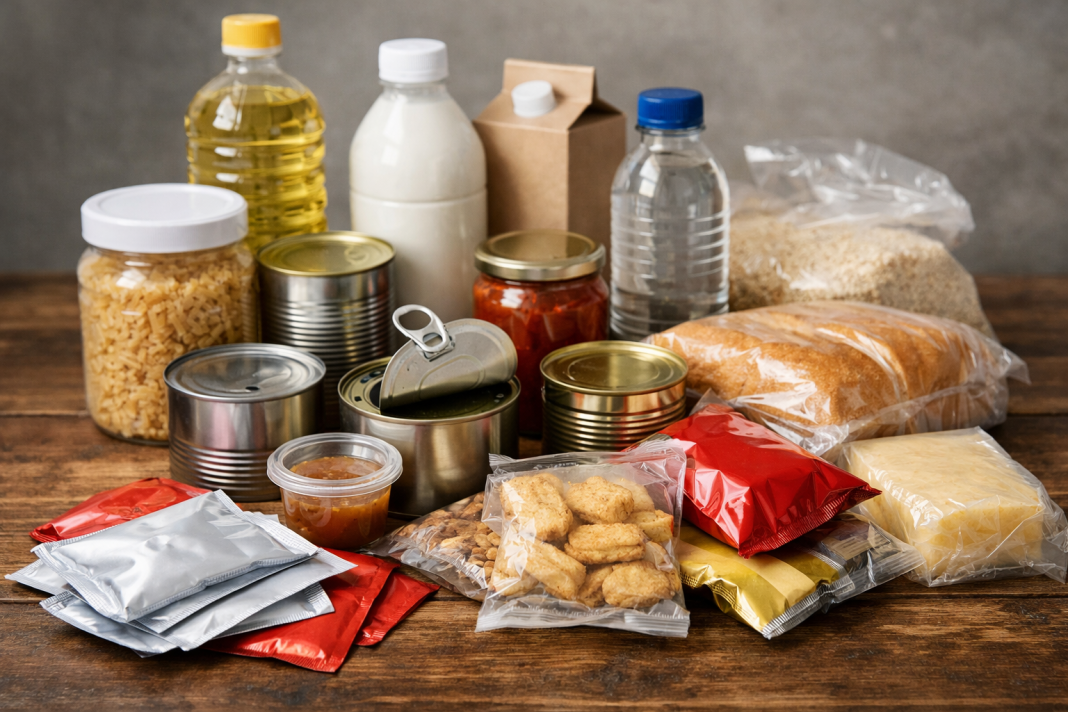
Beyond plastics, the crisis is rippling through the entire grocery aisle:
-
Canned Goods & Snacks: Higher costs for tin, aluminum foil, and flexible films.
-
Staples: Logistics and refrigeration costs are driving up prices for bread, dairy, and fresh produce.
-
Export/Import: Supply chain disruptions and volatile fuel surcharges are complicating international trade routes.
In response to these external shocks, the Packaging Institute of the Philippines (PIP) is urging a strategic shift toward resource optimization.
“Strengthening sustainable packaging development is no longer just an environmental goal; it is a clinical necessity to reduce our vulnerability to global oil markets,” said Stefano Paolo Buñag, PIP Director and Past President. “By using fewer resources and optimizing material volume, we can mitigate some of the inflationary pressures coming from the Iran conflict.”
The economic fallout is expected to be particularly pronounced across Asia. As major net importers of energy, Asian nations are seeing a faster “cost-push” inflation across food, transport, and electronics.
Through its membership in the Asian Packaging Federation, the PIP is collaborating with regional partners to navigate these turbulent supply chain disruptions and explore alternative materials—including paper, glass, and biodegradable options like banana fiber.

